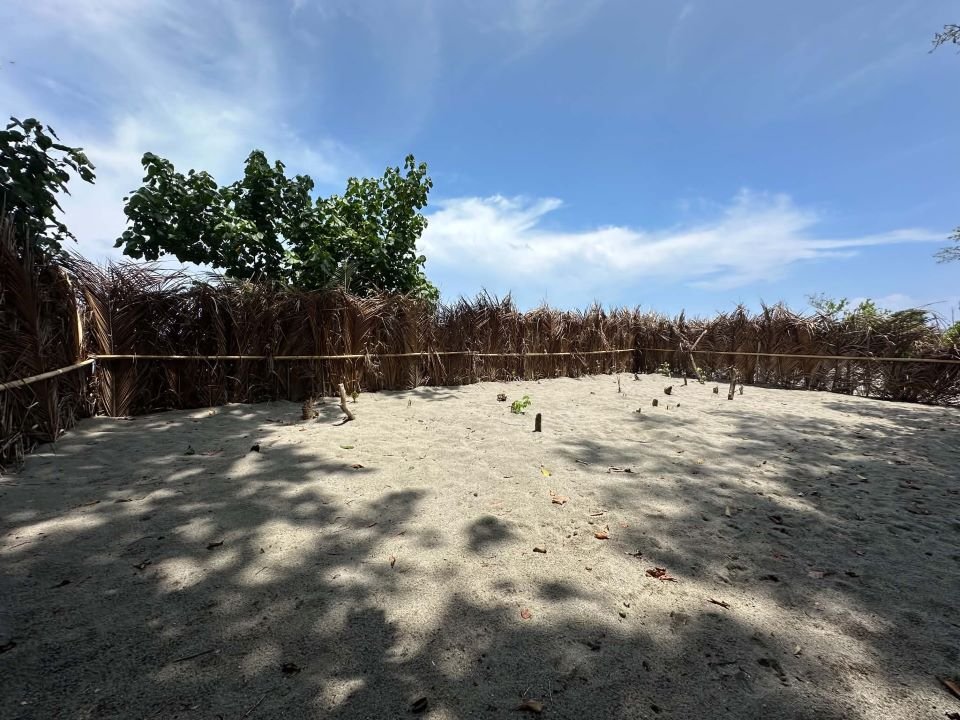
Savo Priest Calls for Community Action to Protect Endangered Megapode Birds
BY SHOREYANN RAGOSO
A priest from Savo Island has called on landowners and young people to take greater responsibility for protecting the island’s unique megapode birds as concerns grow over declining numbers and the destruction of their nesting areas.
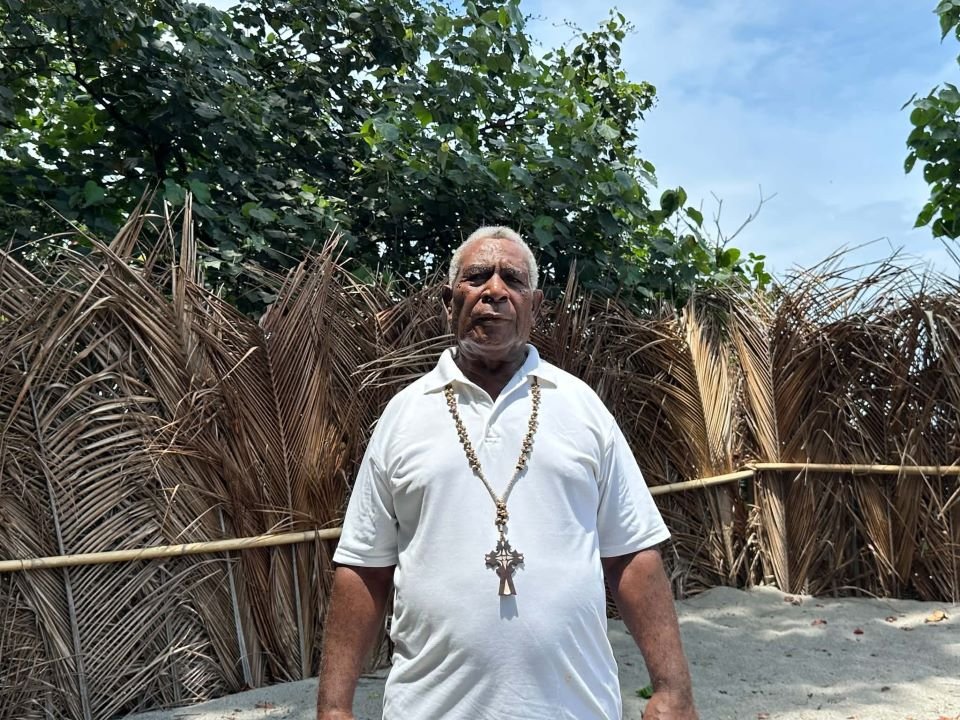
Father Patteson Sodo, from Balola Village on Savo Island, said the megapode is one of the island’s most important natural treasures, together with its volcano and dolphins.
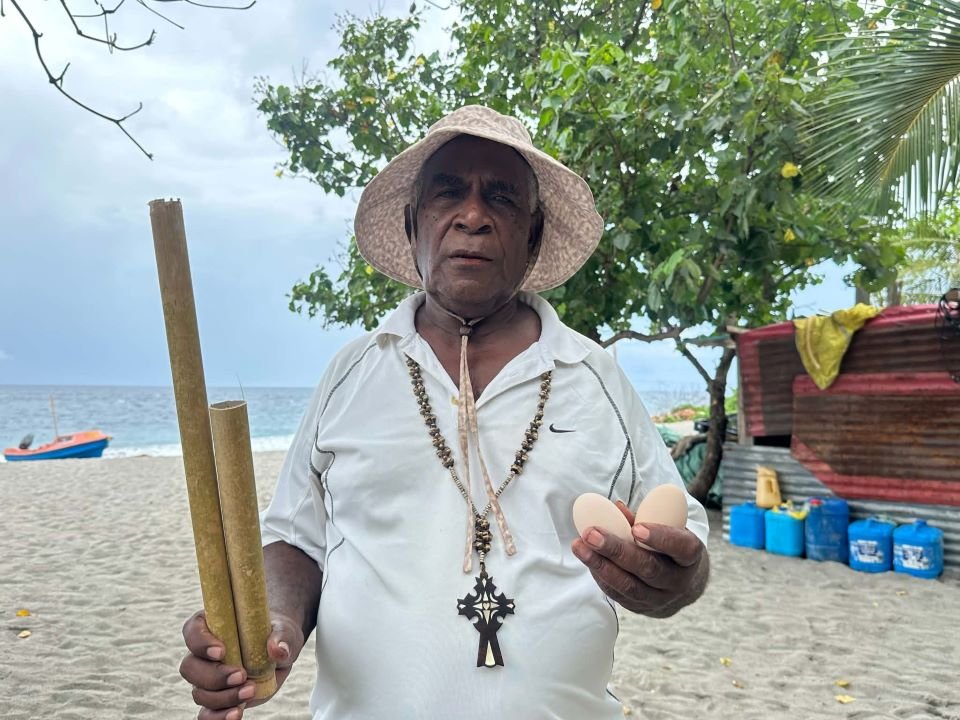
He said information from the Ministry suggests that only a few islands in Solomon Islands still have megapode birds, including Savo, Simbo in Western Province and Tinakula in Temotu Province.
“This megapode bird is so unique in Savo. We are trying to do conservation, but we are yet to look at the number of megapodes compared to the past,” Father Sodo said.
He explained that the birds face several threats, including hunting, growing human populations, dogs and damage to their nesting grounds.
Some people reportedly shoot the birds at night, while others disturb the areas where they lay their eggs.
“Human threats are there and animal threats are there. Dogs come in and eat them, humans disturb them and also shoot them, not knowing they do it in the night,” he said.
Father Sodo believes protecting the birds must begin with the people who own the land where they live and lay their eggs.
He said landowners should see themselves as guardians of the birds and their nesting areas instead of allowing activities that threaten their survival.
“Our role should be as landowners and owners of this bird. We are the ones who should care for them, and it is our responsibility,” he said.
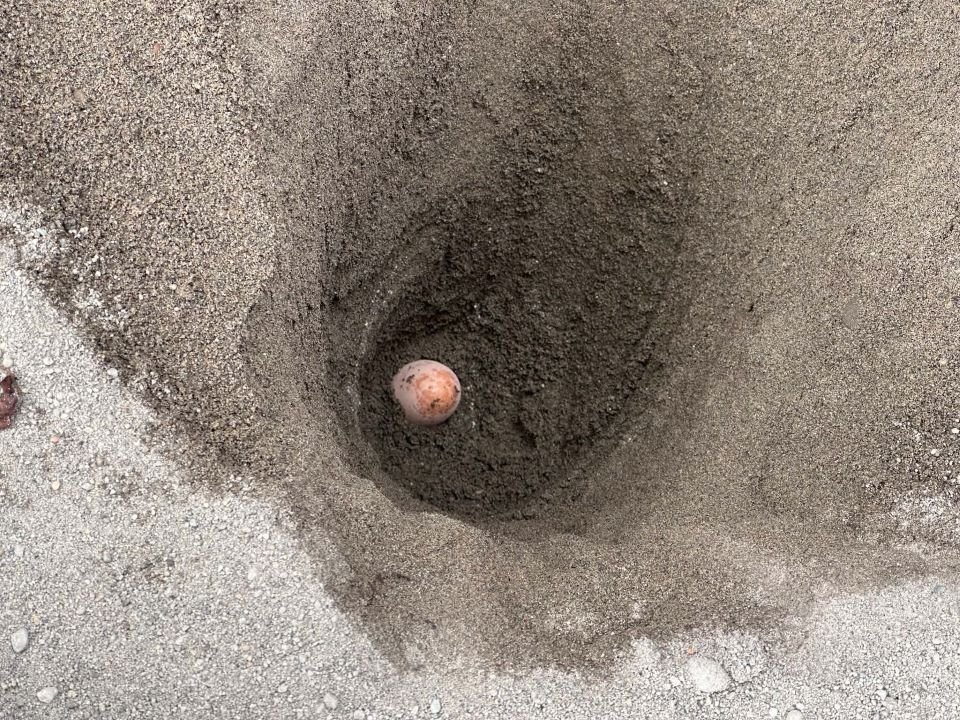
The megapode has a special way of laying its eggs. Instead of sitting on them like many other birds, it buries them in Savo’s warm volcanic sand, where natural heat helps hatch the eggs.
For many local families, megapode eggs have also been an important source of food and income. They are collected and sold in markets in Honiara.
Father Sodo said protecting the birds could help provide benefits for future generations, especially local children and families.
“Our thought for the future is that these megapode eggs are very resourceful to us. If we look after them and take care of them, it will help our children, especially in paying school fees and for eating,” he said.
He also believes Savo could benefit more from tourism if communities protect their natural attractions.
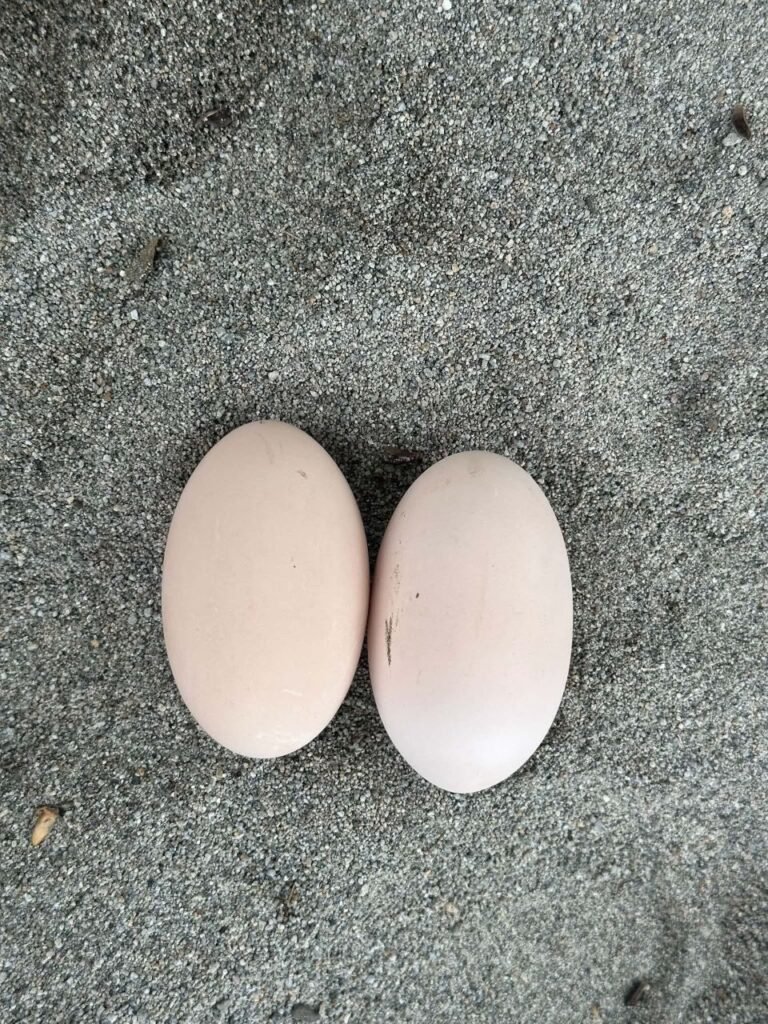
Although the island is known for its megapodes, volcano and dolphins, he said wildlife tourism in North Savo has not developed as much as expected.
“We do not have so many species, but the unique ones are the megapode, the volcano and the dolphin. Those three are unique on this island,” he said.
Previous conservation recommendations have encouraged communities in Savo and Simbo to establish wildlife management areas and collect information about megapode numbers.
Father Sodo said the future of the birds depends on community action, particularly from landowners and young people.
He believes protecting the megapode today will help preserve Savo’s natural heritage, support family livelihoods and give future generations a reason to value and protect their island.