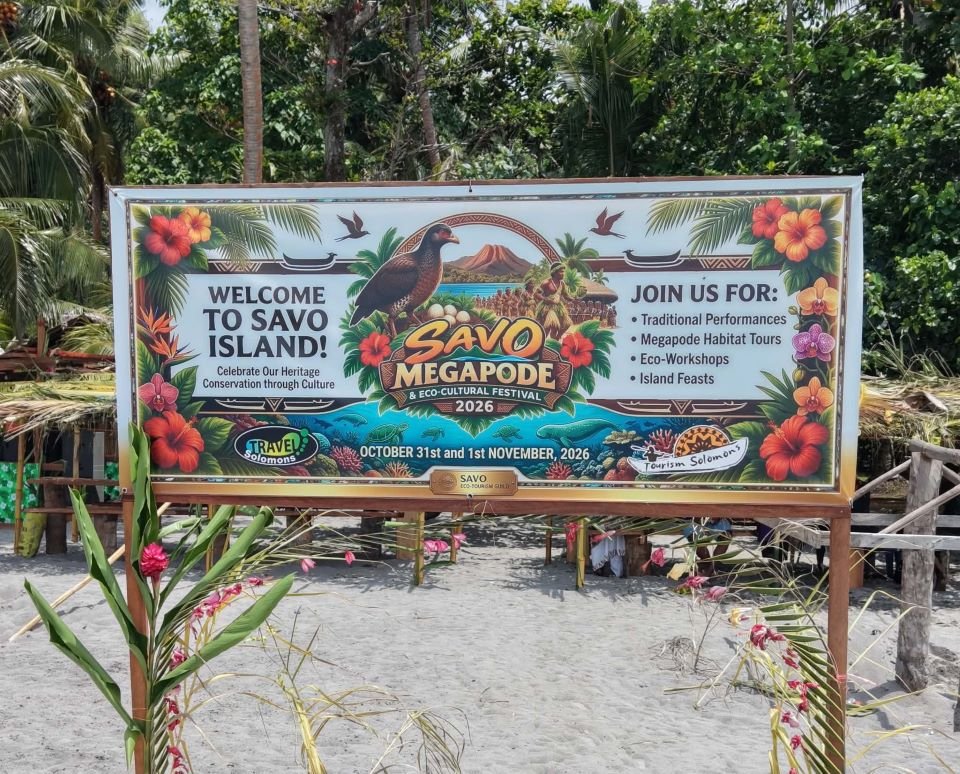
Savo Island Celebrates First-Ever Megapode and Eco-Cultural Festival
BY SHOREYANN RAGOSO
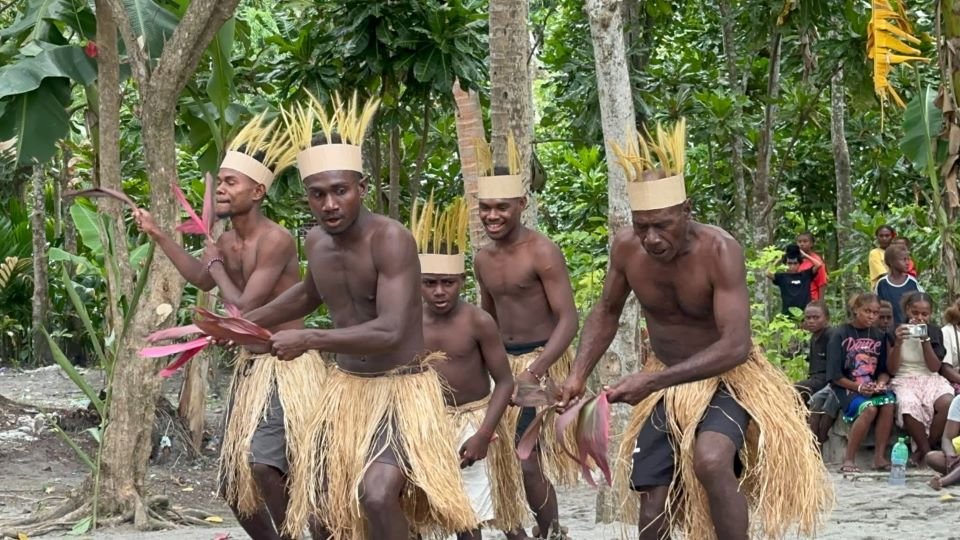
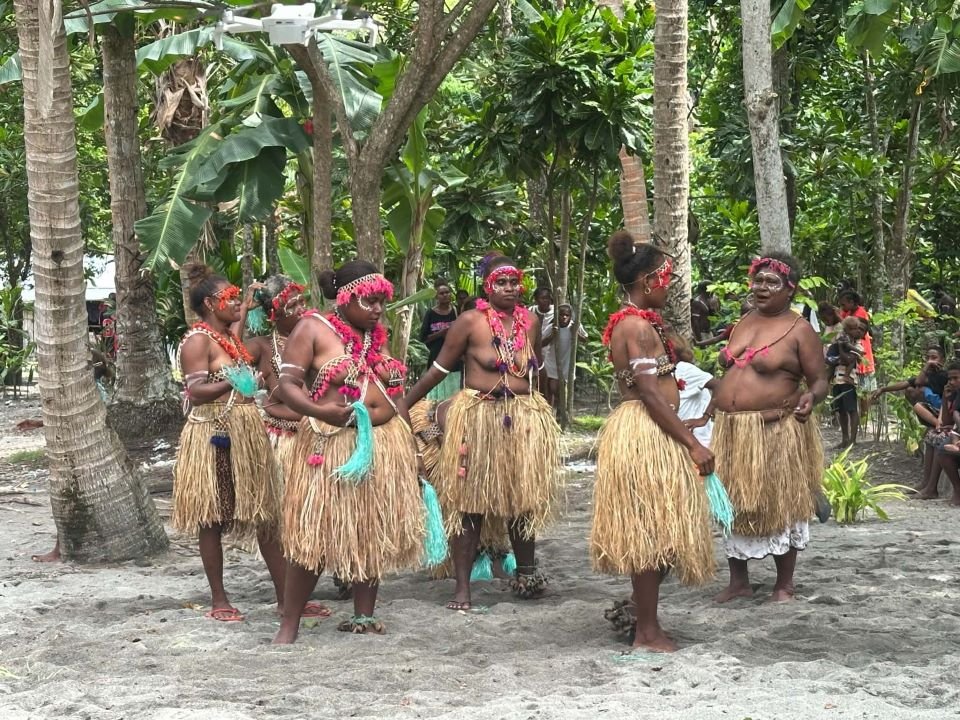
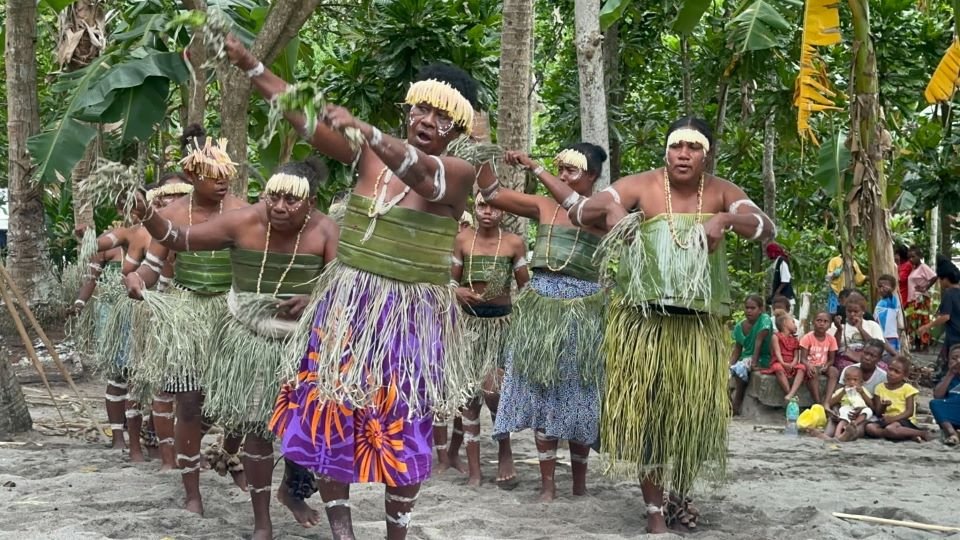
Savo Island came alive with colour, traditional music, dance and community spirit over the weekend as it hosted its first-ever Savo Megapode and Eco-Cultural Festival.
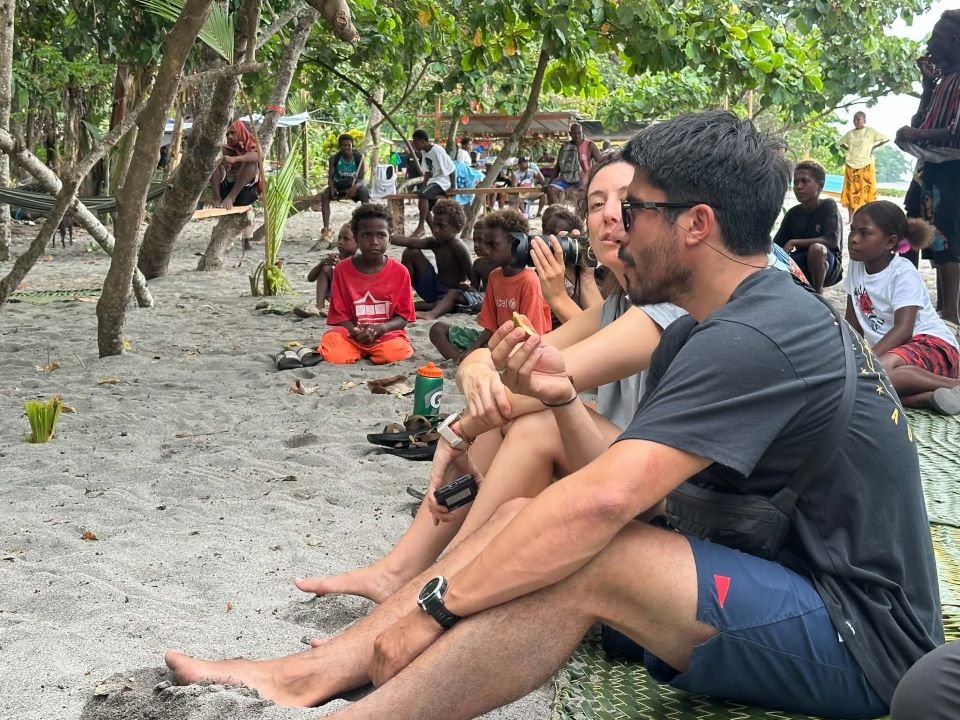
The two-day festival, held from October 31 to November 1 at Balola Village, brought together local communities, visitors from Honiara and tourists to celebrate the island’s unique natural environment, rich culture and tourism potential.
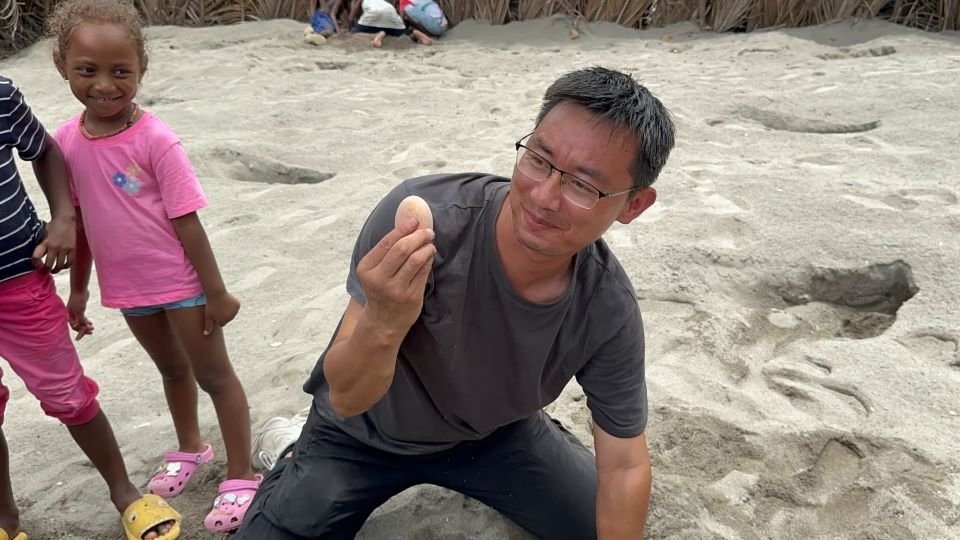
For the people of Savo, the festival was more than just a celebration. It was an opportunity to share their island’s special attractions with the rest of Solomon Islands and the world.
The festival was initiated by Sunset Lodge Tours & Transfers, with support from Travel Solomons, Tourism Solomons and tourism operators from the Central Islands Province.
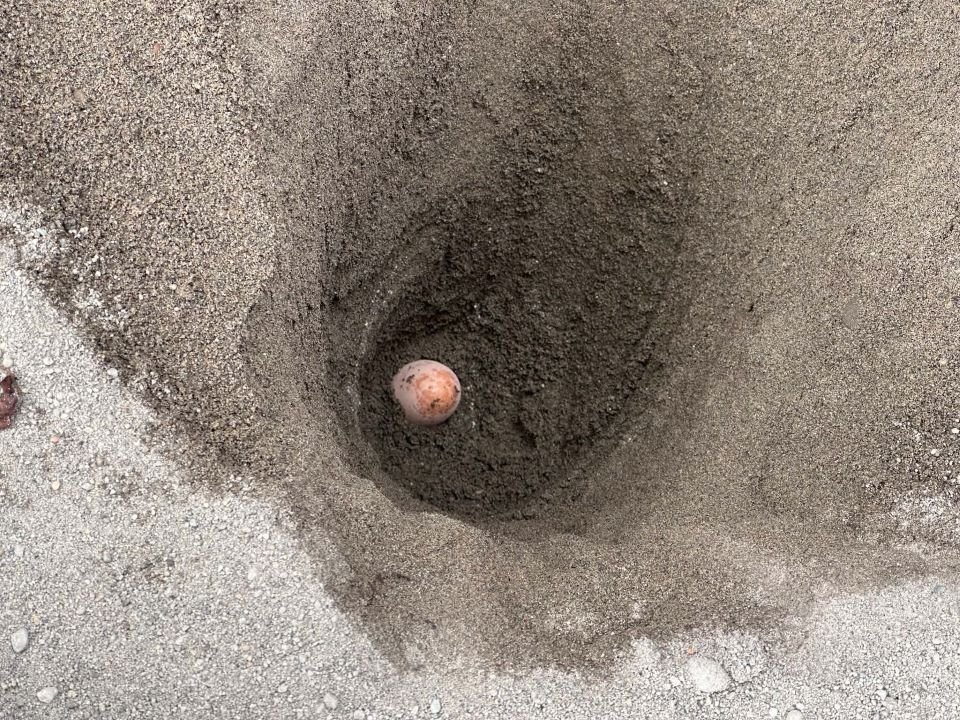
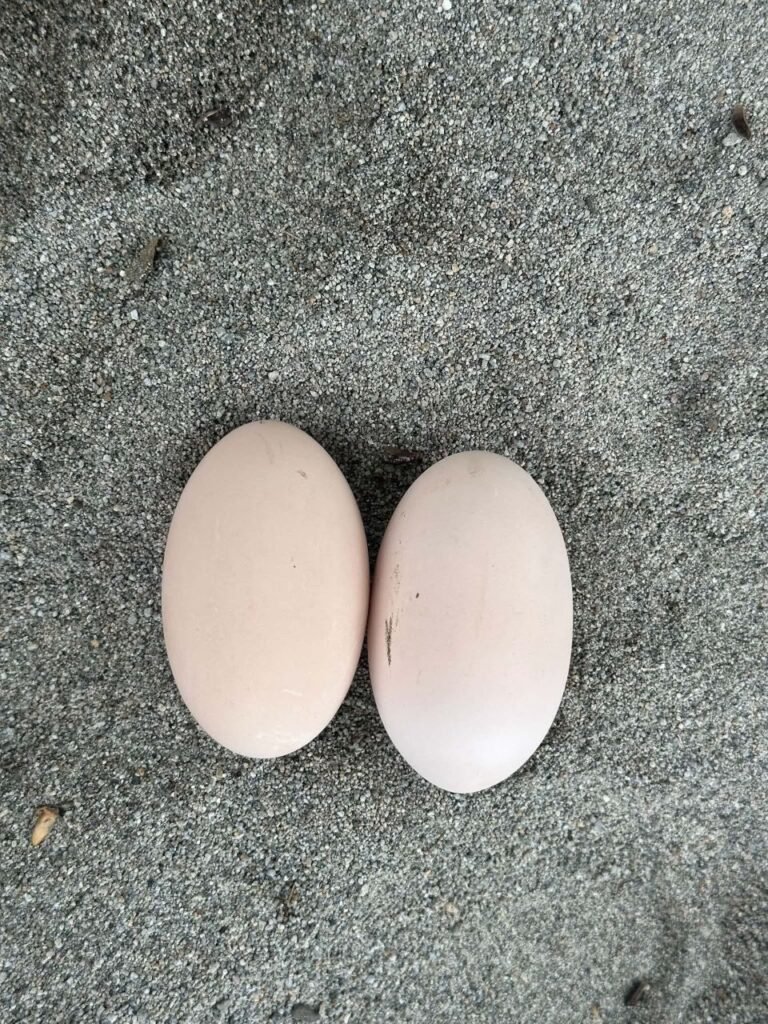
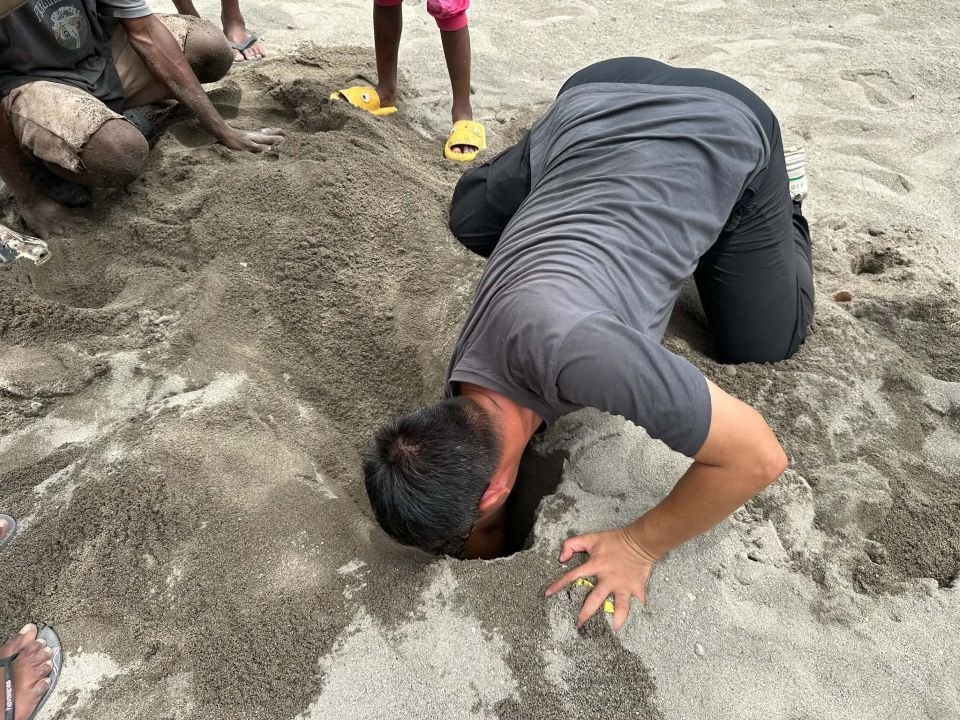
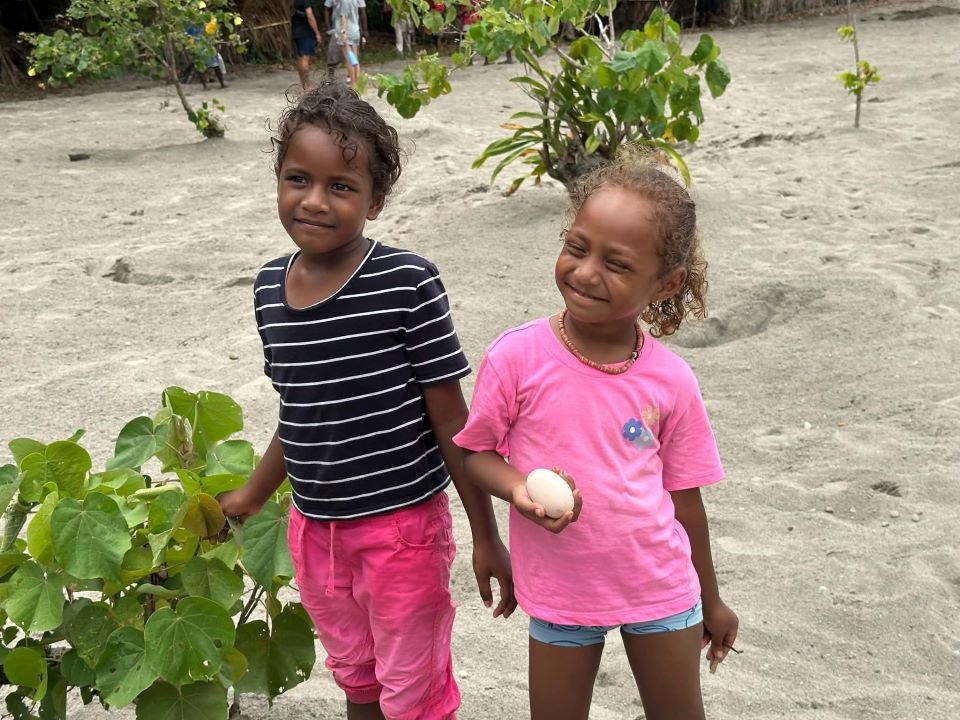
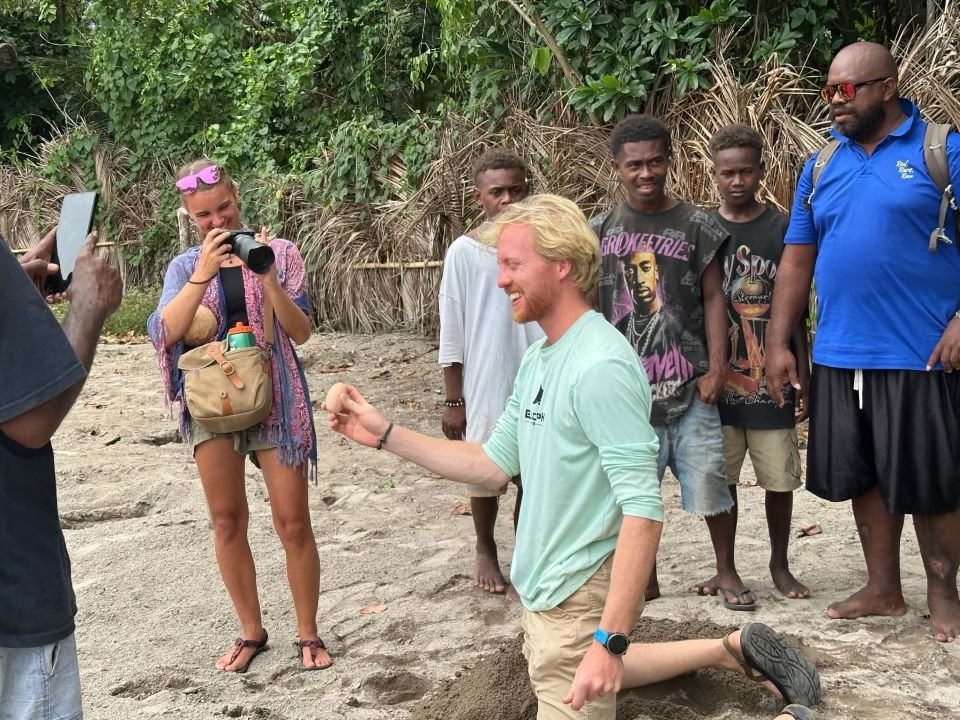
Organisers chose the megapode bird as the main attraction because it is one of Savo’s most special natural treasures. The island is also known for its volcanic landscape, hot springs and beautiful marine environment.
They said the festival was created because Savo had never before hosted an event of this kind.
“We want visitors to leave with a better understanding of our environment, our culture and the importance of supporting the local community,” the organisers said.
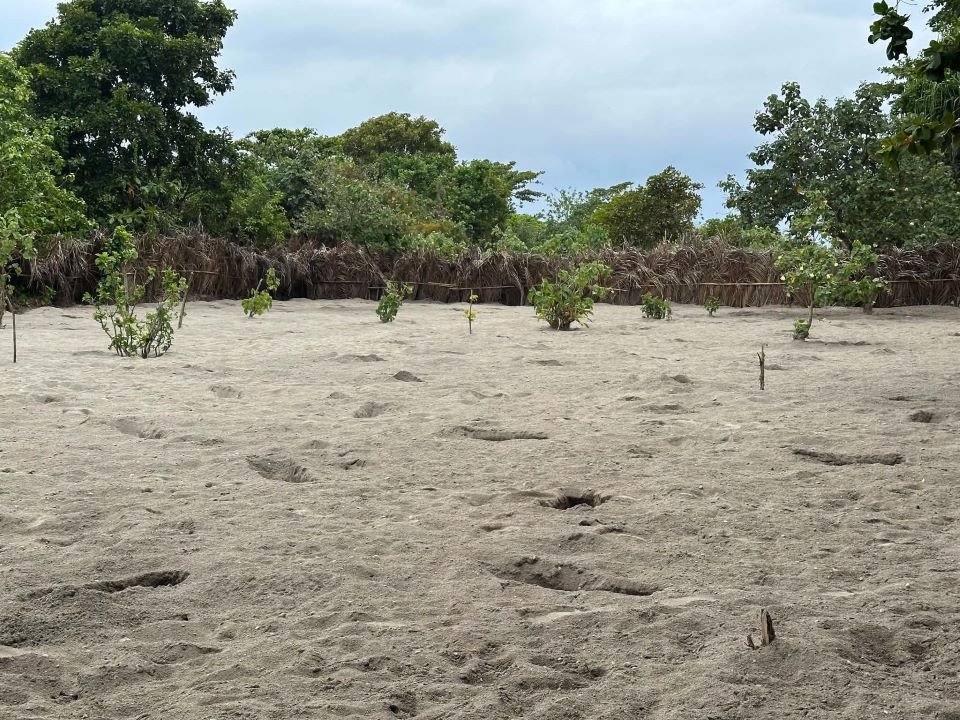
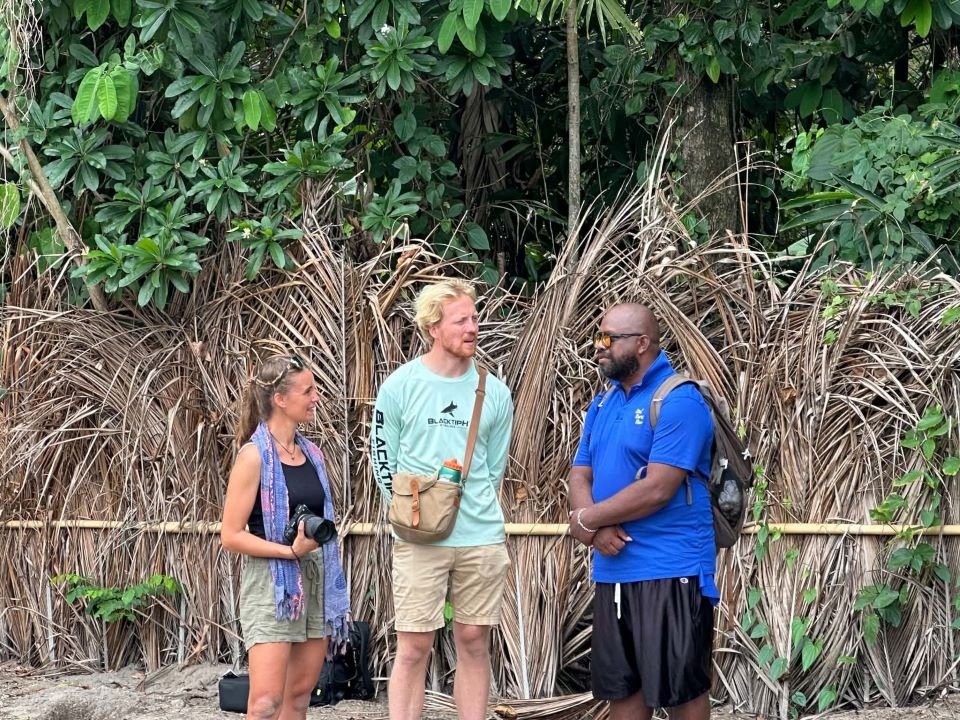
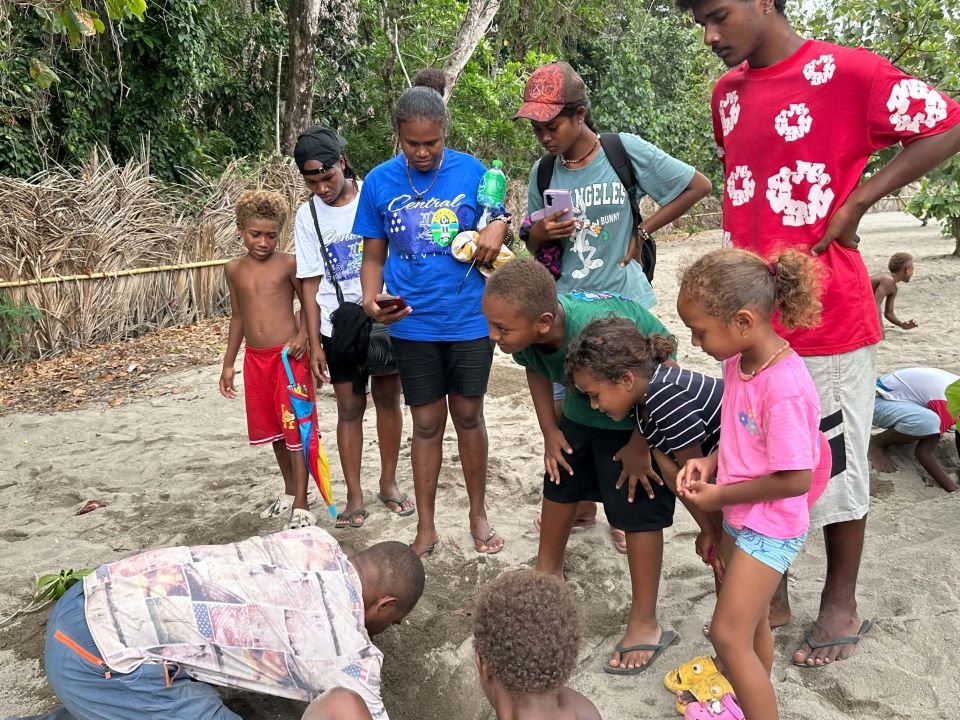
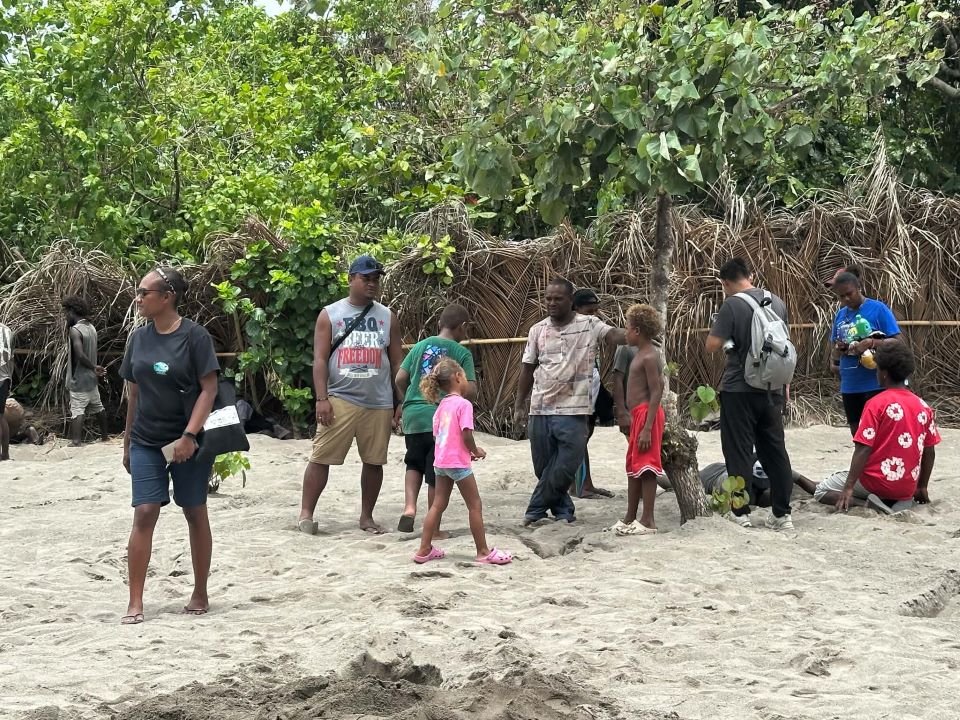
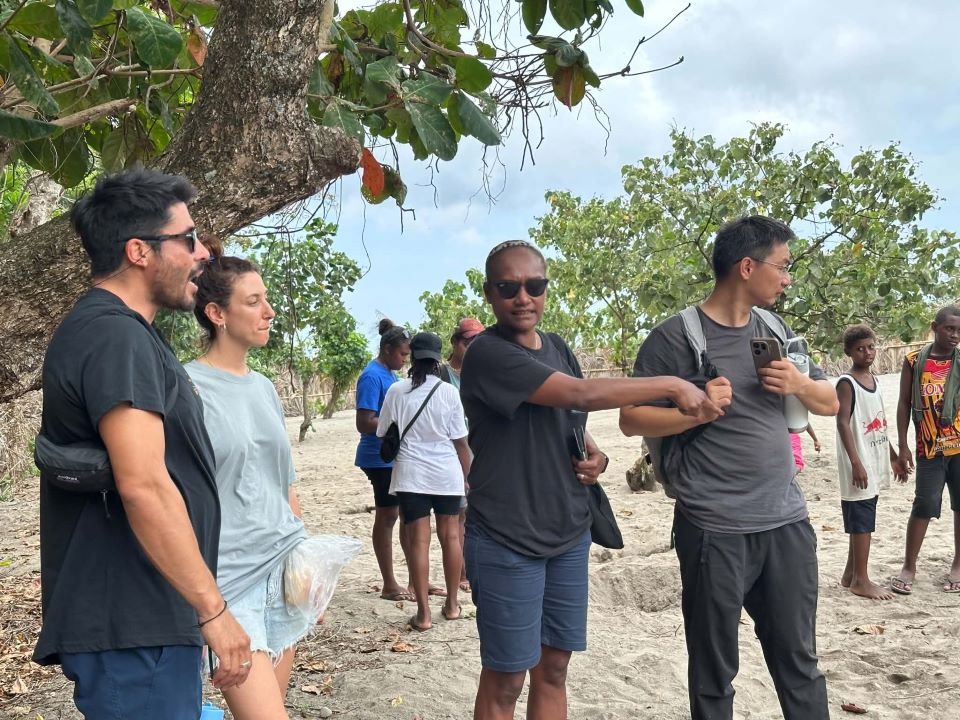
The festival featured traditional performances, local food, storytelling, nature tours and other activities that allowed visitors to experience everyday island life.
Through these activities, organisers hoped to show that protecting the environment, preserving traditional culture and developing tourism can work together to create better opportunities for local people.
For Bernard Kemakeza, a member of the Central Islands Province Tourism Operators’ Association, the festival represents an important step in growing tourism activities across the province.
“This is one event in our calendar where the tourism brothers from Central are involved, but it was initiated by Sunset Lodge,” Kemakeza said.
He said the organisers hoped to introduce more events in the future to attract visitors and encourage the growth of eco-tourism on Savo Island.
“More events will bring more people to visit Savo’s unique heritage, and this is one way to develop eco-tourism,” he said.
However, bringing the first festival to life was not without challenges.
Organisers said working in a rural island community required careful planning, especially with transportation, logistics, funding, infrastructure and coordination among different stakeholders.
Despite these difficulties, they said the challenges had not weakened their commitment to the event.
“We believe challenges should not stop us from pursuing something positive for the community. They motivate us to move forward,” the organisers said.
For the people of Savo, hosting the first-ever festival was a proud moment and a step towards protecting their natural environment while creating opportunities for future generations.
They believe the island has much to offer, not only through its natural attractions but also through its traditional knowledge, culture and friendly communities.
“Savo Island has something special to offer Solomon Islands and the world. Our natural resources, traditional cultures and community hospitality are treasures we must protect and promote,” the organisers said.
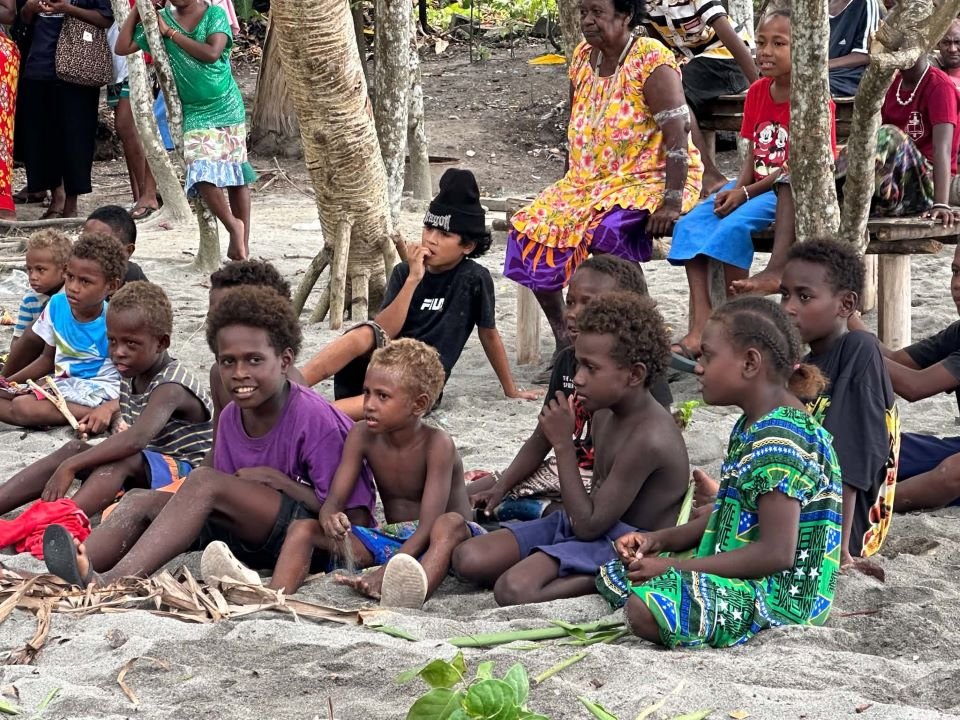
They also encouraged people from across Solomon Islands, international tourists, tourism operators and development partners to visit the island and experience what it has to offer.
“Our environment is our heritage, our culture is our identity, and sustainable tourism is an opportunity for our future,” they said.
As the first Savo Megapode and Eco-Cultural Festival came to an end, it left behind an important message: protecting nature and keeping culture alive can also help build a better future for island communities.
For Savo Island, the festival is hoped to become more than a one-time event. It is the beginning of a new journey towards community-based tourism, environmental protection and the promotion of the island’s unique identity.